Business-to-business (B2B) copywriting and concepts
I don’t just talk to the C’s, I also talk to the B’s too! B2B copywriting may seem similar to B2C copywriting, but with the additional layers of authority needed to speak directly to decision-maker audiences, it’s a very different discipline.
That may make B2B seem a less interesting playground for writing, but as I’ve shown across films, thought-leadership articles, social posts, brochures, white papers, blogs, exhibitions and integrated campaigns, there’s plenty of scope to have fun while still generating results.
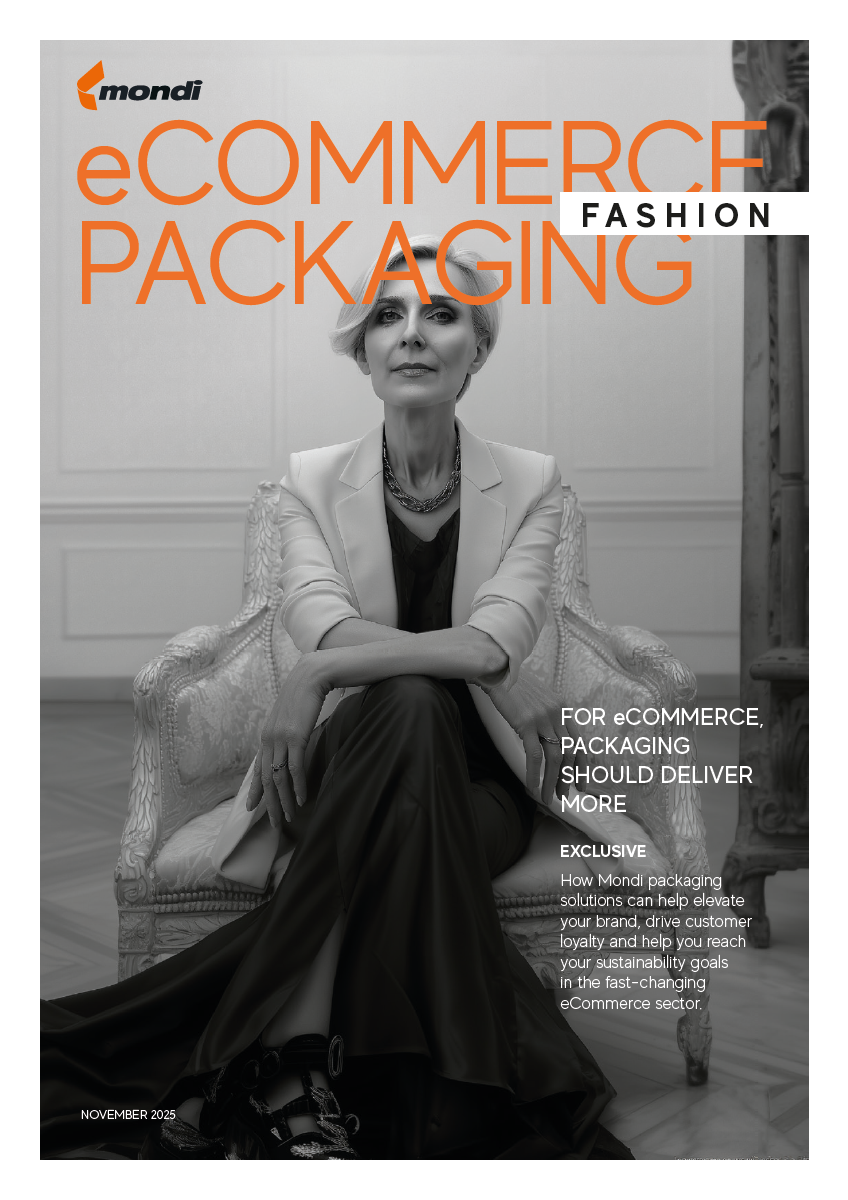
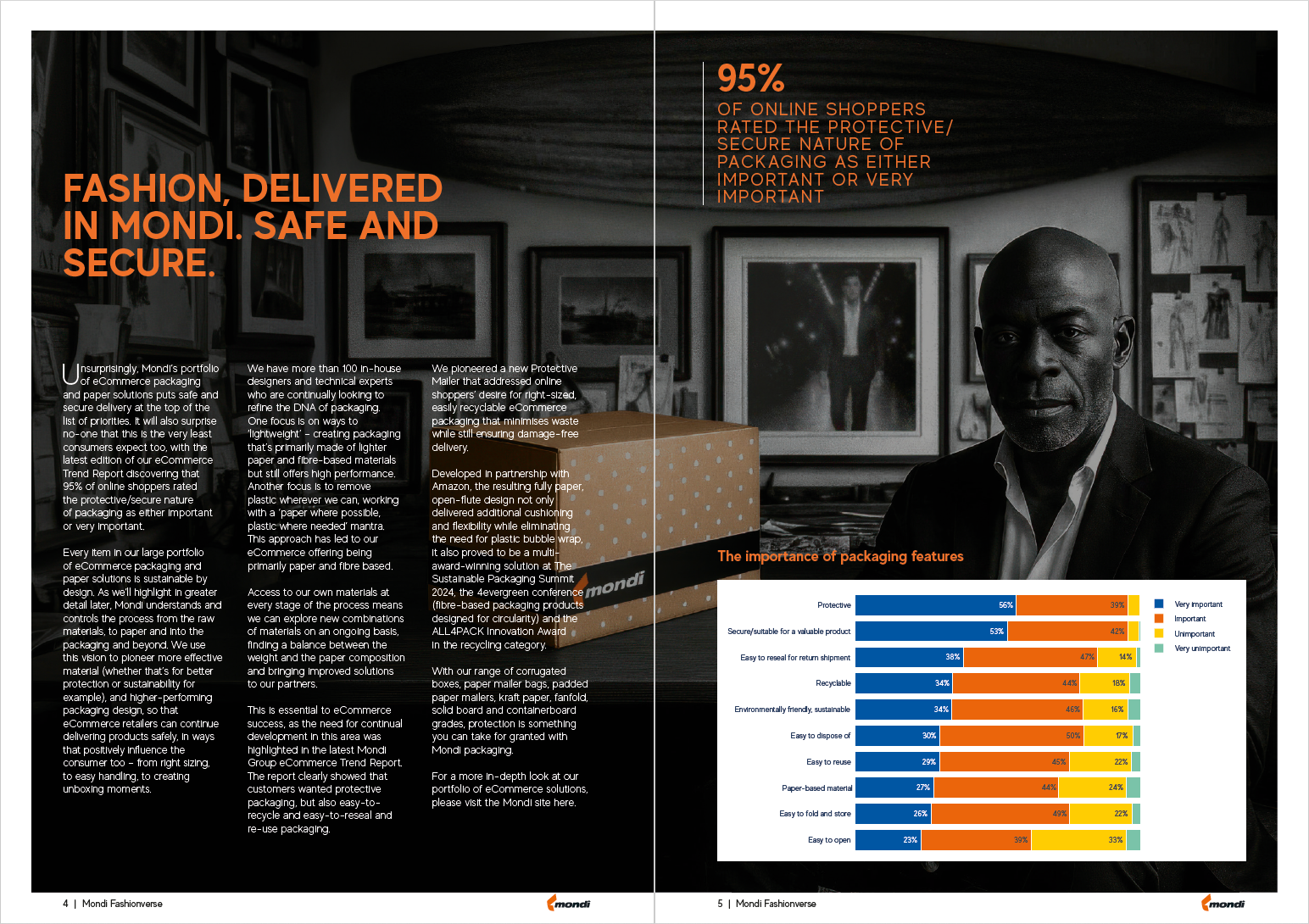
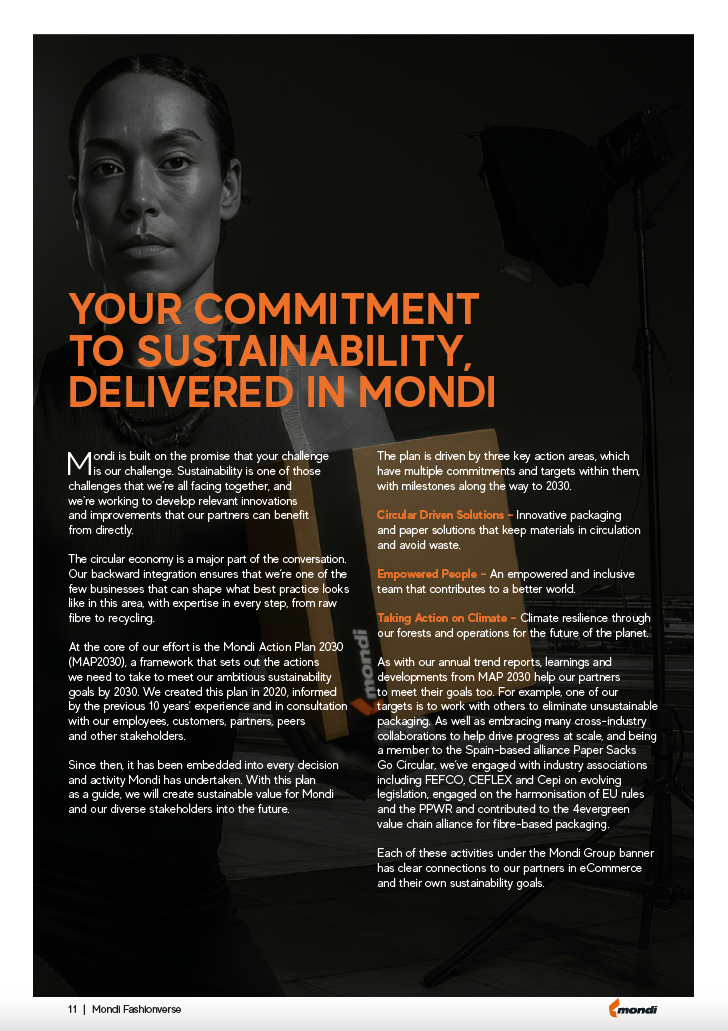
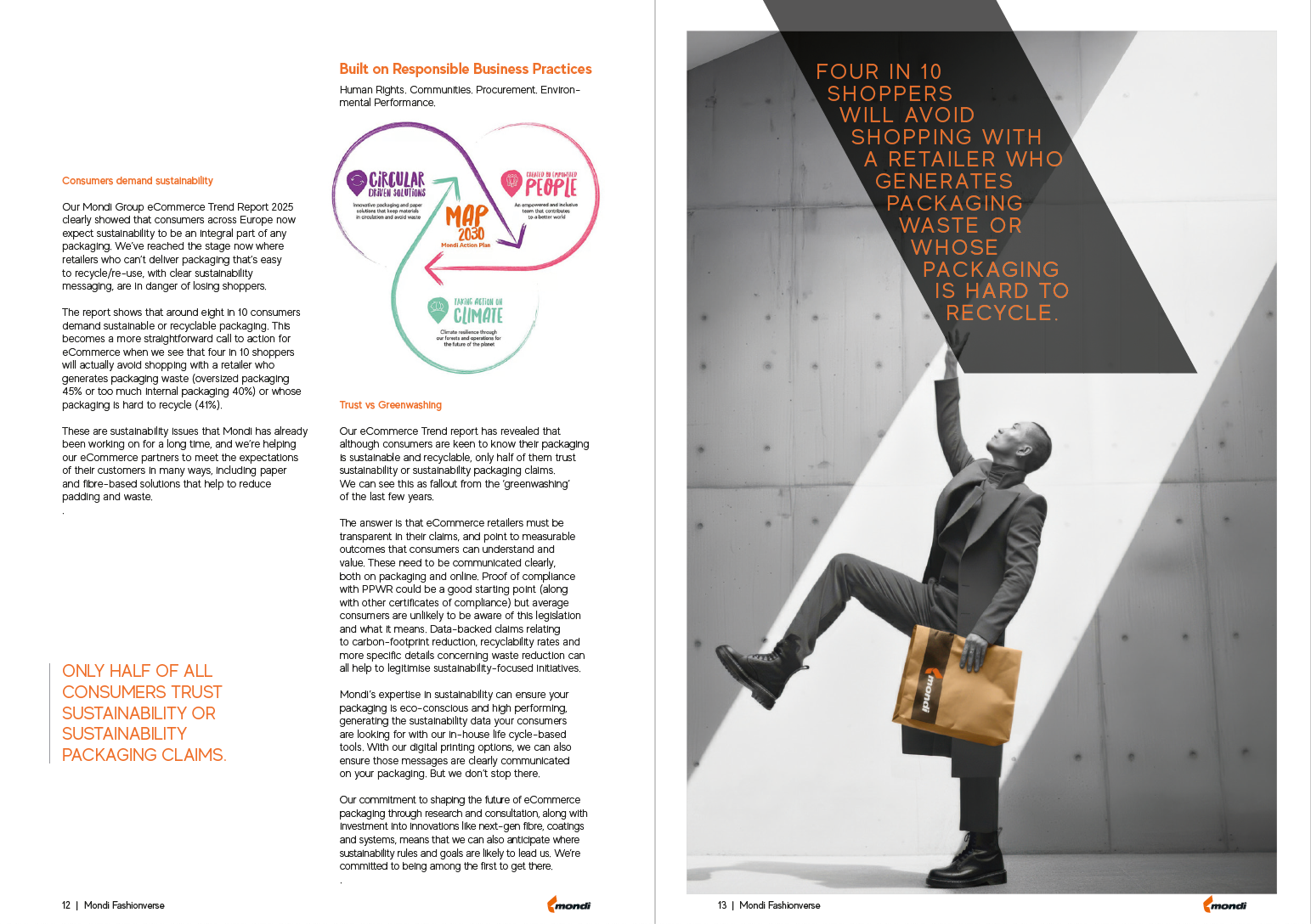
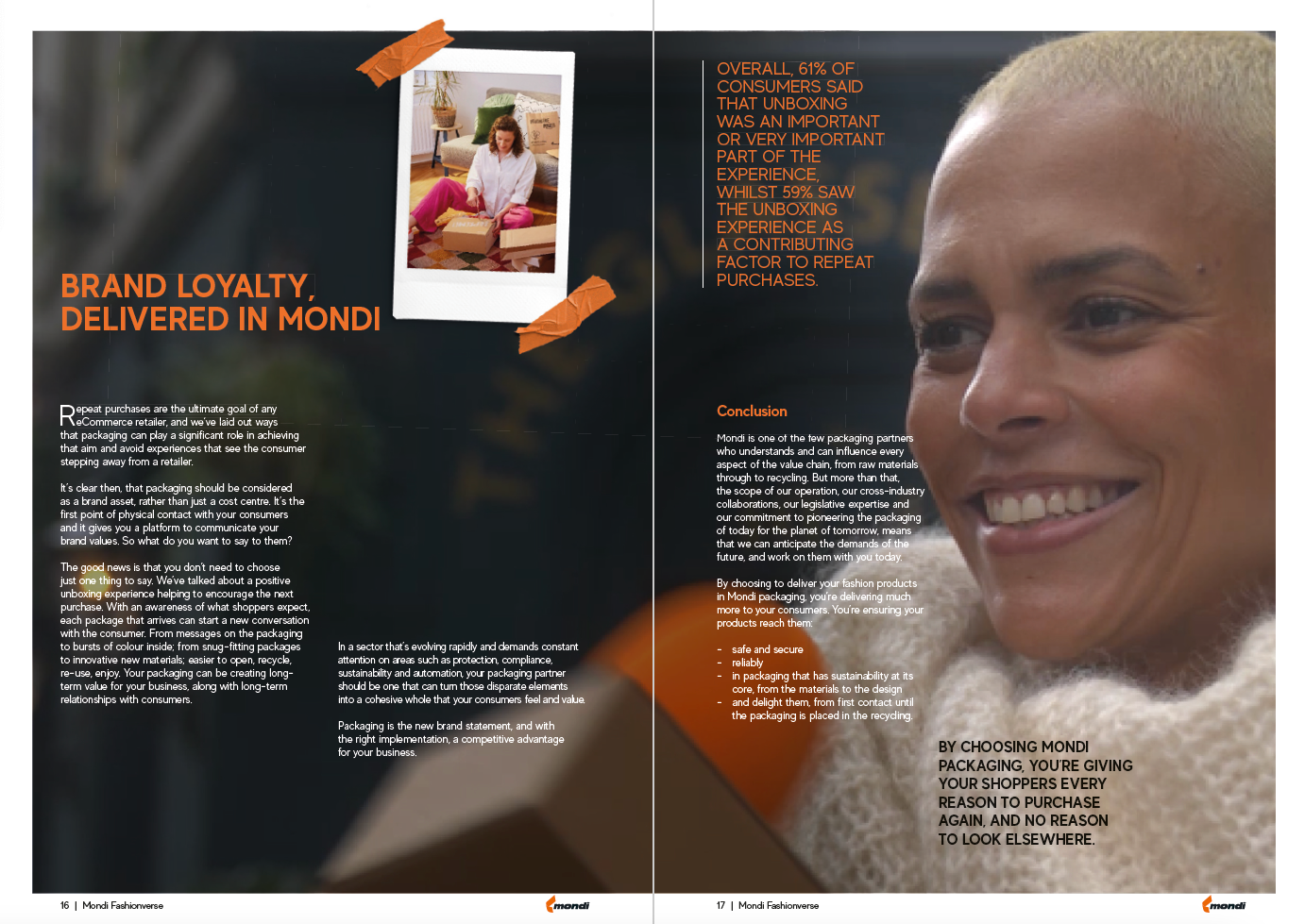
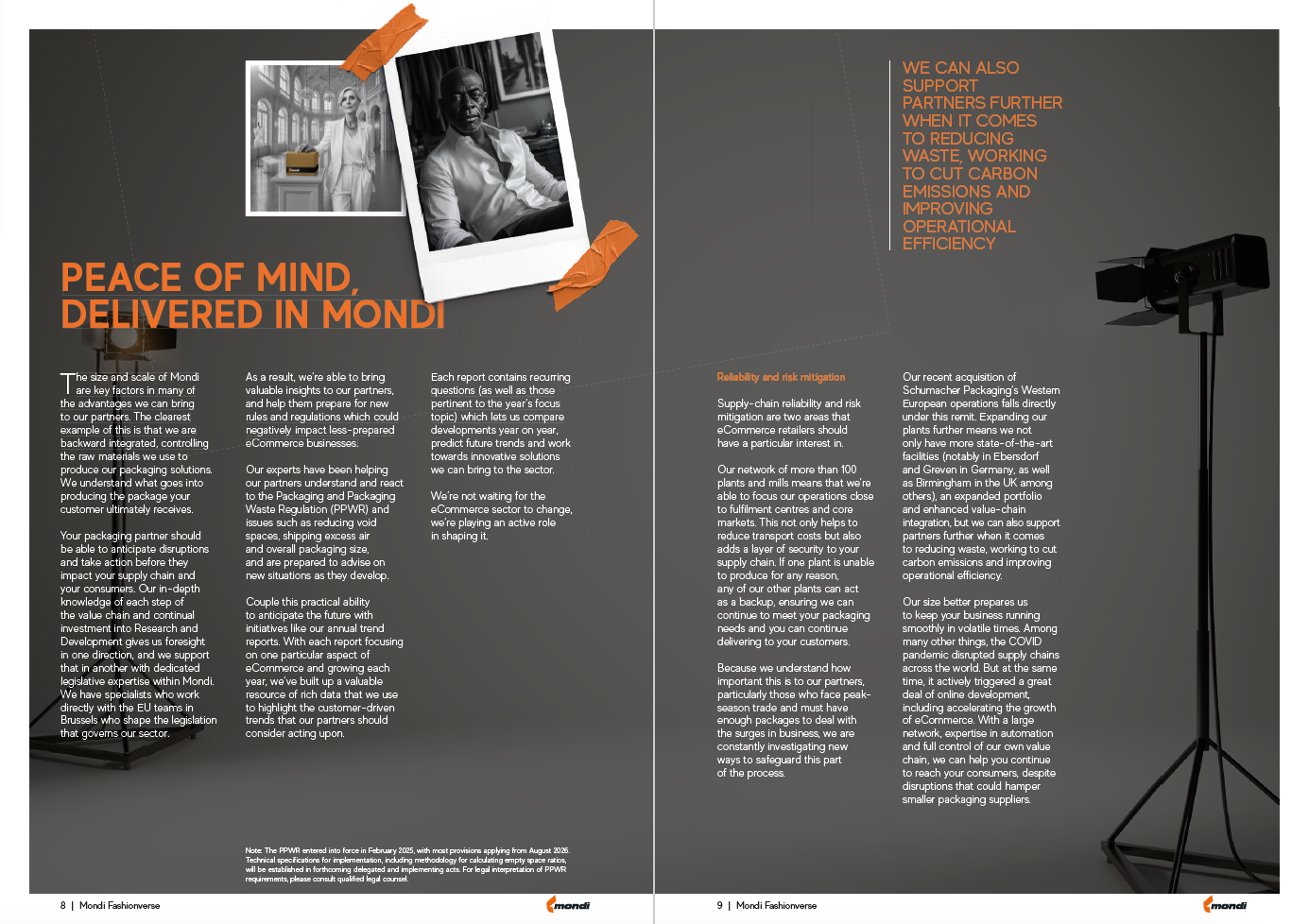
Mondi – positioning packaging as a brand asset for eCommerce
The challenge: Mondi is a global leader in packaging and needed to increase its penetration into the growing eCommerce market in the UK and Germany by building relationships with packaging, procurement, logistics and operations decision makers.
The thinking: Mondi’s research showed that for consumers, packaging is often the first physical touchpoint with a brand – an opportunity to make a positive impact from the second it arrives. We needed to position Mondi as a strategic partner who could elevate packaging from a delivery mechanism to a valuable brand statement.
The outcome: I wrote the campaign’s centrepiece, a thought-leading ebook that demonstrated Mondi’s expertise through all the ways it could deliver eCommerce brand promises and build repeat purchases. I supported this with press releases and a range of digital content which underlined the impact of good packaging.
The B2B campaign positioned Mondi as an eCommerce strategic partner who could add value to growing retail businesses by ensuring its packaging represented the very best of the brand.
Escape Technology– positioning a tech expert as a customer-service specialist
The challenge: Escape Technology specs and provides all the tech that games and VFX studios need to produce state-of-the-art digital masterpieces. While telling tech stories, I need to use case studies and blogs to underline the market-leading levels of customer service and expertise the team provides.
The thinking: Rather than writing these as dense, tech-heavy dossiers, each article focuses on the people behind the tech and highlights the human part of the process. In turn, this gives the humans at Escape ample opportunity to shine as part of the pipeline.
The outcome: These blogs and case studies are an important sales tool. Potential clients buy into a relationship with Escape Technology, not the tech they provide. By highlighting exactly how these relationships work successfully with some of the biggest names in the games and film industries, potential clients can visualise that same success for themselves.
Pierre Fabre – engaging with a pharmaceutical innovator
The challenge: Introduce Pierre Fabre, a leading global pharmaceutical company to a new generation of pharmacists.
The thinking: Because I was presenting the long history of this company, I created an animation based on the idea of a timeline, with the ‘action’ taking place on the surface of a globe. These two concepts let us take leaps in time and location, while still retaining consistency and a strong brand look.
The outcome: The short film was a great introduction to the company, helping to highlight its history and its future in a way that engaged audiences more used to PowerPoint presentations. The animation became a mainstay of conferences all over the world.