All mod comms
Writing is all comms. But here we’re talking specifically about getting the most impactful message to the right people in the right channels. Those comms could be encouraging a behaviour change, keeping staff engaged or simply communicating essential information to users – each situation is challenging in a unique way.
How I approach internal and external comms
It’s always about understanding the audience and why we’re communicating with it. Once I have defined the main message this group needs to hear, and why it’s important to them, then we have a hook that can draw them into the deeper story.

West Northamptonshire Council – changing burning behaviour
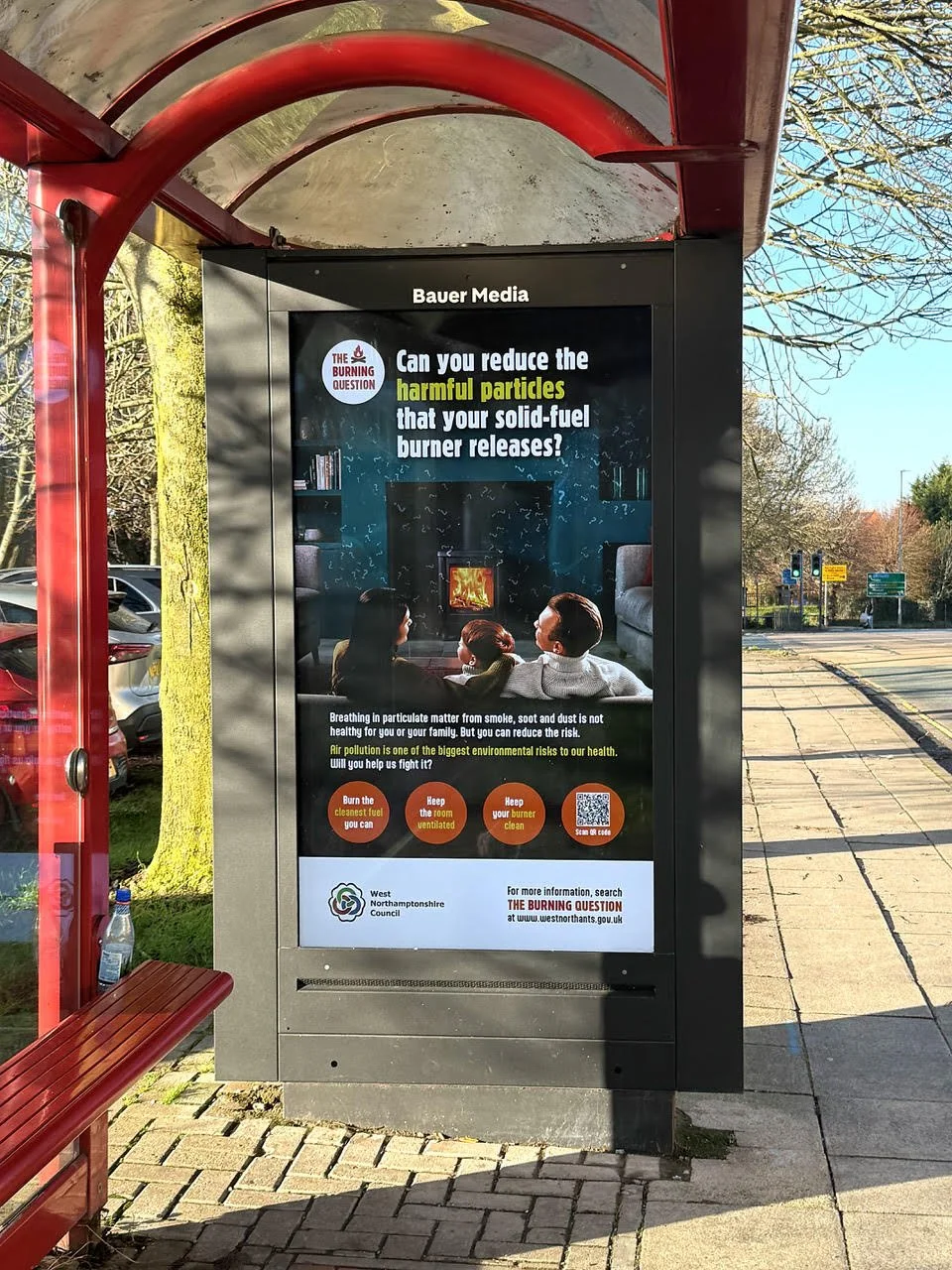
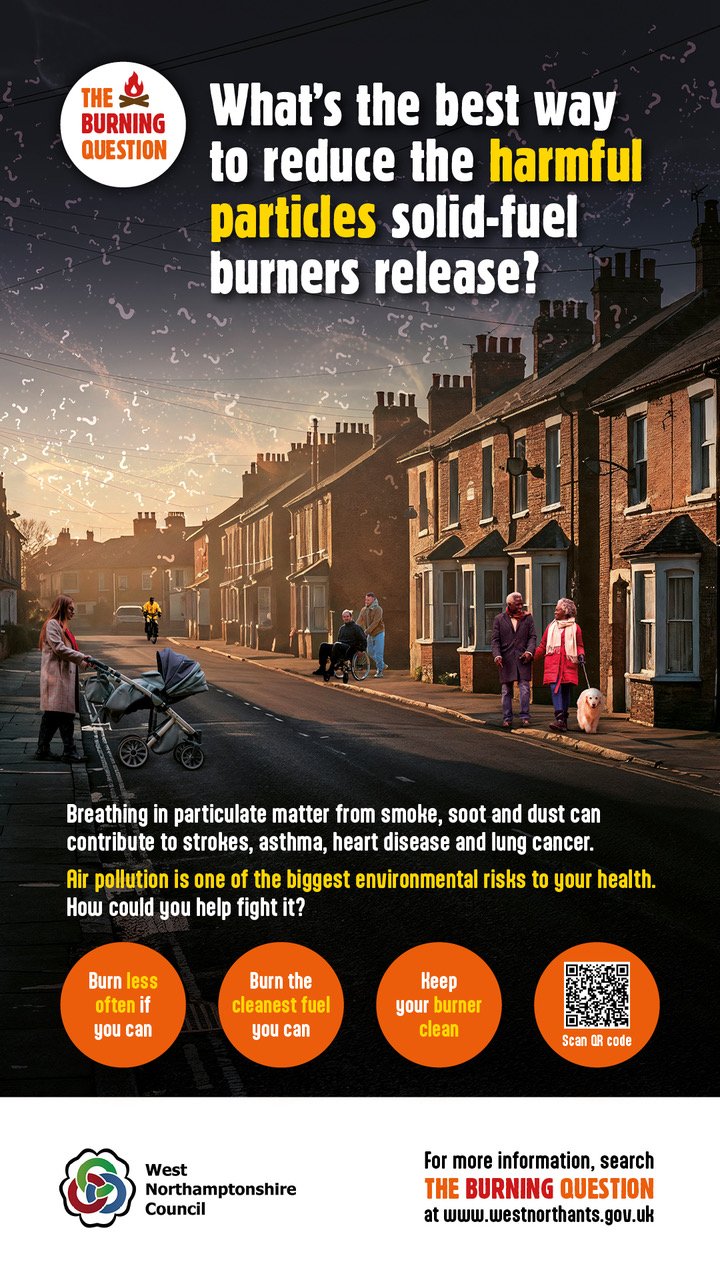
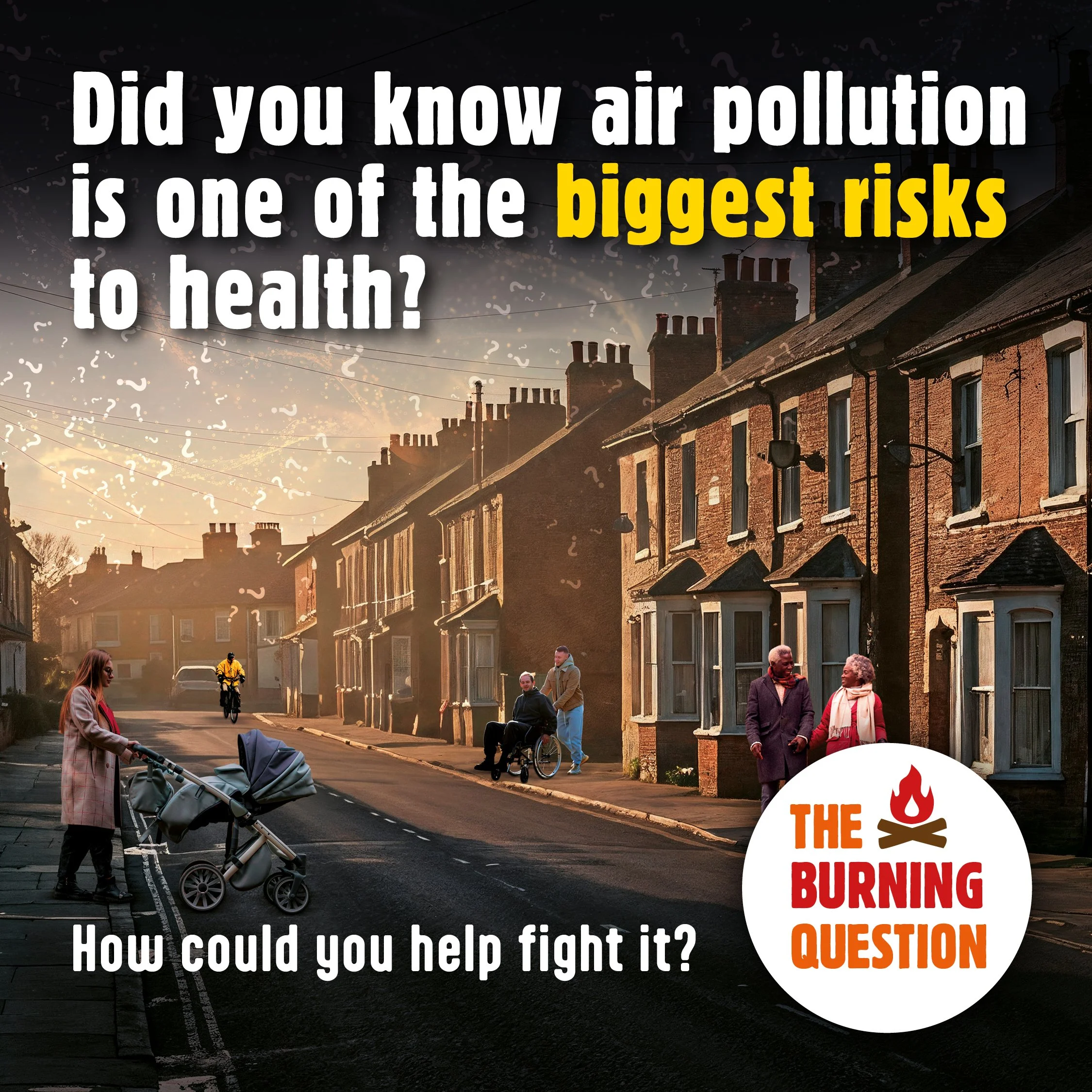
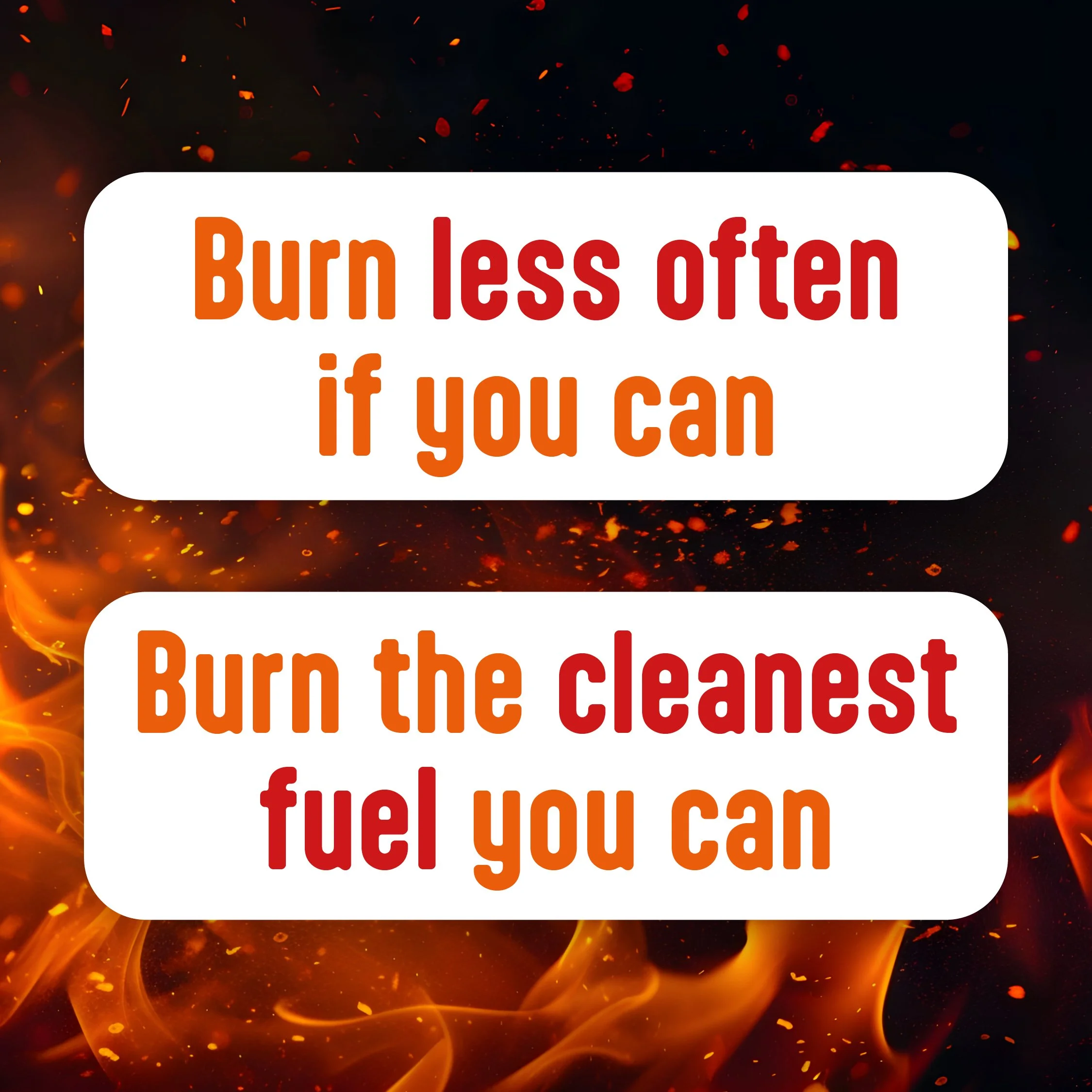
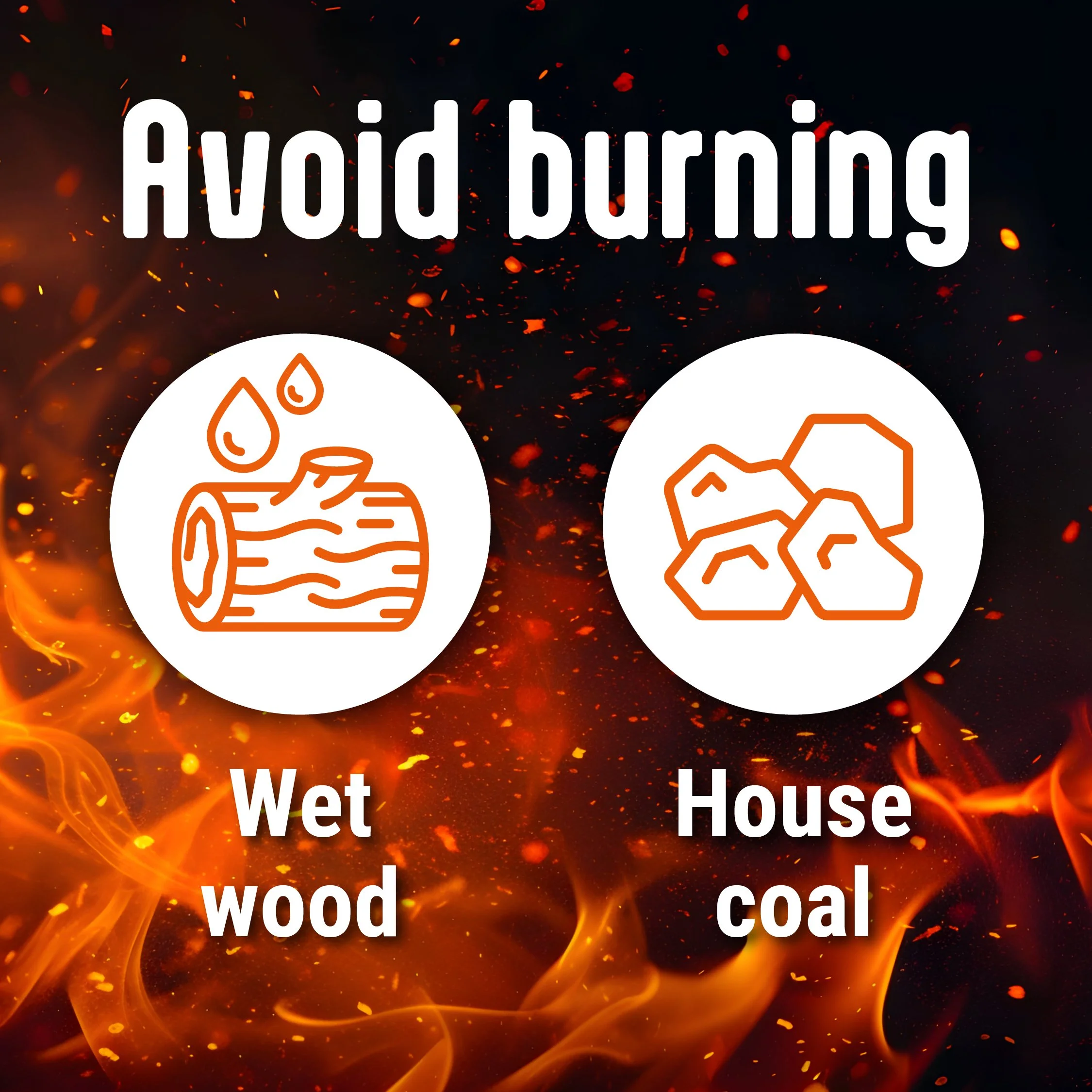
The challenge: West Northamptonshire Council needed to change the way people burned material at home, taking in everything from burner stoves to bonfires. Too many people were burning the wrong materials, releasing harmful particulate matter into the air.
The thinking: A big barrier was that most people assumed they weren’t part of the problem. To make them think twice about burning, we had to encourage them to question how they burned before they would engage with our advice to burn better and more safely.
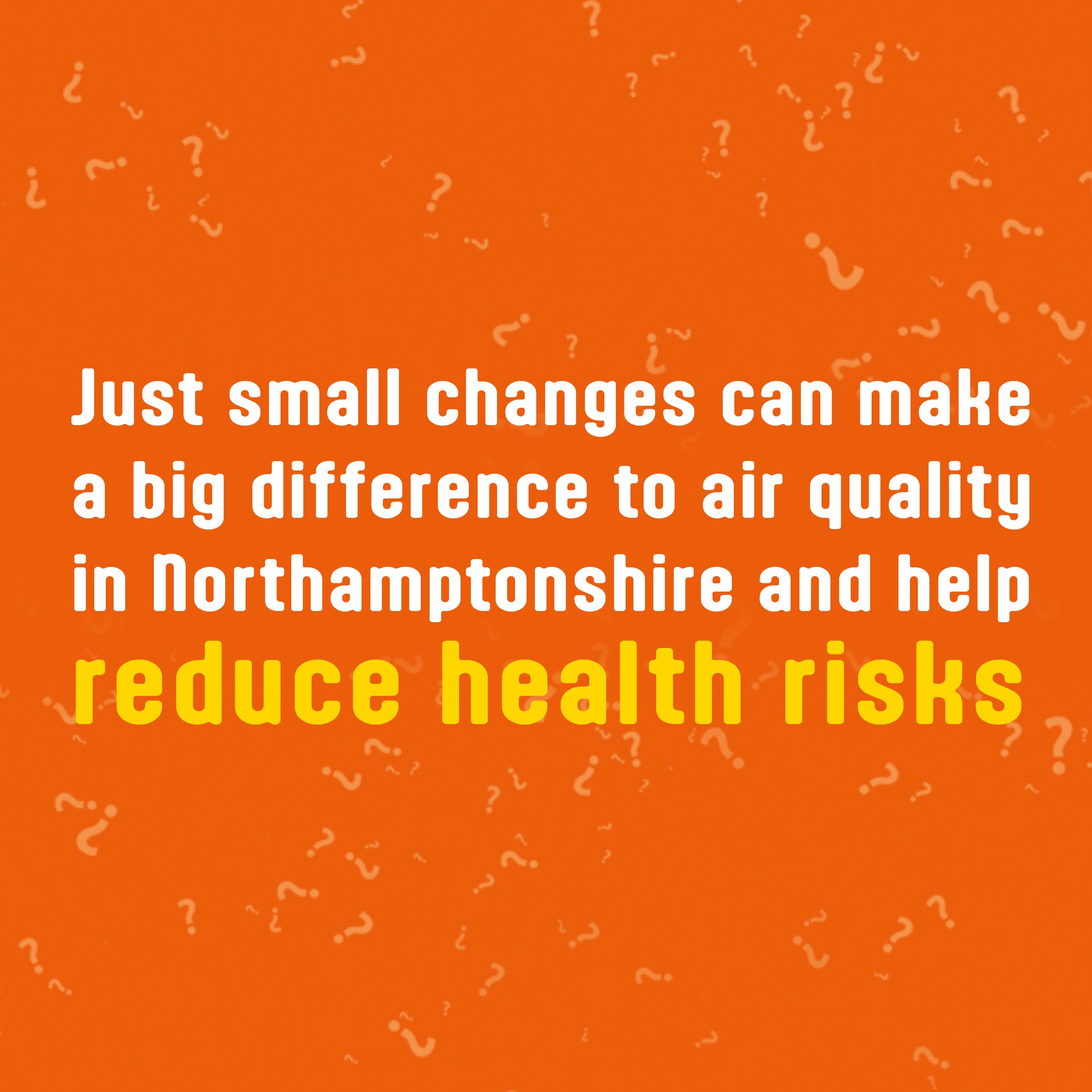
The outcome: The campaign was based around The Burning Question: Can you reduce the harmful particles that burning releases? Every piece of communication was led by a variation of this question (depending on the audience), with further questions helping to define the issue and the solutions. The idea of questions became part of the visual theme too, with question marks playing the role of the invisible particulate matter.





Tesco – helping customers stay safe online
The challenge: Write a customer-facing site which explains cookies, privacy and how to stay safe online. Some of these are complex topics, and the audience is from all backgrounds and of all ages.
The thinking: I needed to keep the whole audience engaged, so the writing needed to be relaxed and straightforward. If there were better ways to explain these subjects than just writing about them, I’d explore them.
The outcome: I broke up the writing with a range of diagrams and animations to help the site feel welcoming, engaging and reassuring – not daunting and dense. Even the least online-savvy reader could understand, and benefit from, the advice.

Network Rail – a strategy to attract the best engineering talent in the UK
The challenge: Network Rail has some of the most challenging and rewarding infrastructure projects in the world. It needed a communications strategy to attract the most talented engineers in the UK to come and join them.
The thinking: We decided to build a toolkit for the Infrastructure Projects department, treating it almost as its own brand within Network Rail. The toolkit would sell the department’s ethos, its impact and its forward-facing focus as much as it would advertise specific roles. The aim was to have this department on every engineer’s watchlist. And who better to present this fantastic department than the people already meeting those challenges head on?
The outcome: I wrote a manifesto for the department that captured its spirit, energy and innovative approach. From this, I developed a range of advertising campaigns for the department, all based on the people new recruits would be working with and the impressive projects they’d been part of. To help the team use the toolkit effectively, I ran workshops and developed supporting copy guidelines. The toolkit was so successful, we were asked to do the same thing for Network Rail as a whole.


Barclays – engaging with customers and colleagues
The challenge: Keep customers and colleagues engaged with Barclays despite huge changes to the banking landscape.
The thinking: Across many projects, the goal is always to bring a human focus to finances, leaning more towards ‘retail’ than ‘bank’.
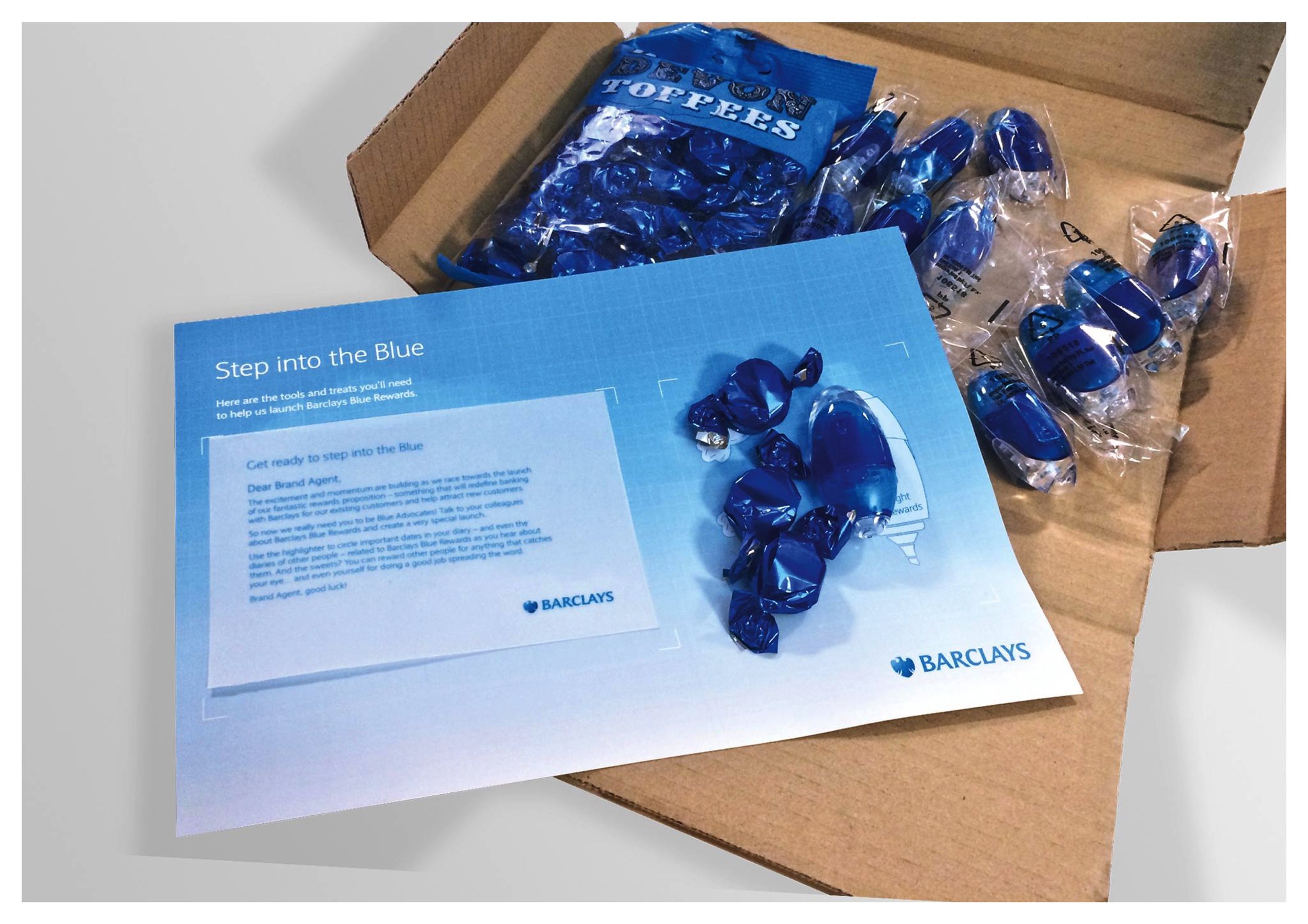
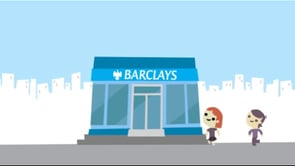
The outcome: Personal highlights include:
Mission Packs for Brand Agents – internal brand champions who are the link between marketing and customers
In-branch animations – to inform and entertain customers
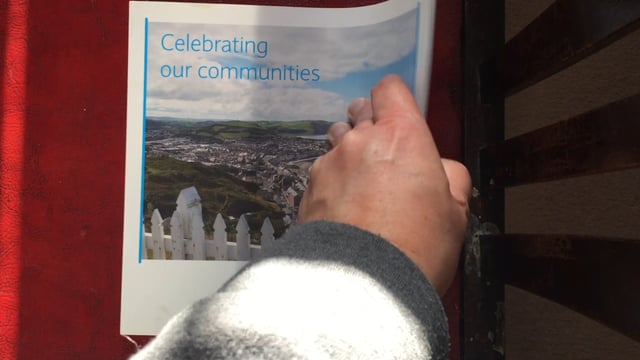
Coffee-table book – celebrating the people and places that are part of Barclays in the UK







Network Rail – a communications plan to manage disruption
The challenge: The Dover Sea Wall had collapsed, suspending the train service that ran along its top. Create and deliver a communications plan to manage the situation and preserve Network Rail’s relationship with local people and passengers.
The thinking: It was clear to me that local people wanted to be kept in the loop. But I didn’t believe they wanted, or needed, detailed information on every step of the process. Instead, I could keep them engaged and up to date with regular, bite-sized pieces of information.
The outcome: To support regular disruption comms, each month I delved into details about the project. I used the most interesting or impactful stories to write and design a poster that was used in stations and at other key points along the disrupted journey, and was emailed to customers.
Each new monthly poster gave a sense of progress, while providing new facts and figures for the local community to talk about, engaging them with the repairs and helping them feel satisfied that Network Rail was doing all it could to get them back on track.


